Promotional products and corporate gifts
Branded pens, bags and drink bottles are everywhere - and many end up in a drawer or the bin. The promotional products that work are useful, good quality and relevant to the people receiving them. This guide covers choosing items, ordering without problems, the safety rules for some products, and corporate gifts done well.
In short
- Choose items your customers will actually use, so your brand stays in sight - quality beats quantity.
- Match the item to the audience and the occasion, such as trade shows, new clients, staff or events.
- Get a printed proof or sample, check lead times, and order well before you need the items.
- Product safety laws apply to promotional items too, especially children's products and anything with button batteries.
- Corporate gifts should be thoughtful and appropriate; check whether clients have rules about accepting gifts.
When promotional products work
Promotional products work best when they:
- get used often, keeping your name in front of people for months
- suit the audience: a tradie and an accountant want different things
- fit the moment: a trade show giveaway, a welcome pack for new clients, a thank-you after a big job, a staff uniform or event merchandise
- reflect your brand: a cheap item that breaks says something about your business too.
They don’t replace other marketing, but they can support it. Compare costs and results with other advertising options.
Choosing items
| Item type | Good for | Tips |
|---|---|---|
| Drink bottles and coffee cups | Offices, trades, fitness, events | Choose quality that lasts; check food-contact suitability |
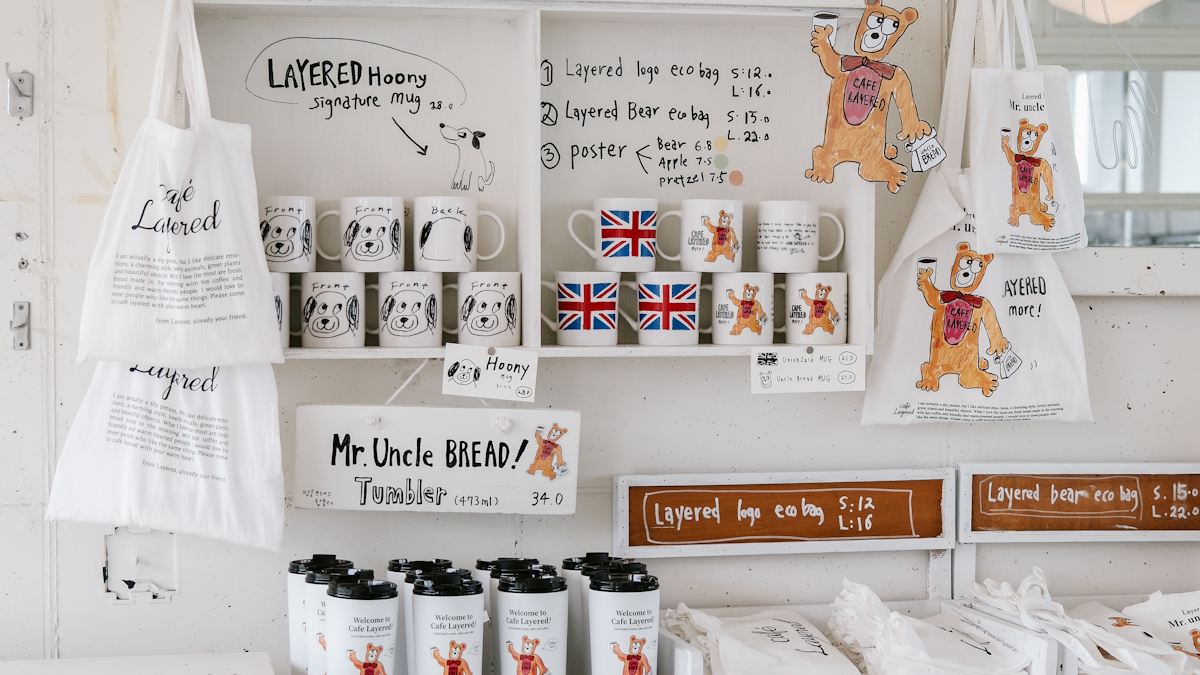
| Bags and totes | Events, retail, conferences | Sturdy bags get reused for years |
| Notebooks and pens | Professional services, conferences | Good pens get used; cheap ones get thrown away |
| Clothing and caps | Staff, sponsorships, community teams | Get sizes right; quality fabric matters |
| Tech accessories | Most audiences | Check quality and safety, especially chargers and batteries |
| Fridge magnets and calendars | Services people need occasionally | Plumbers, electricians, pest control |
| Industry-specific tools | Trades, hospitality, health | Useful items that relate to what you do |
Sustainability: many customers prefer reusable, durable or locally made items. Only describe products as eco-friendly, recycled or sustainable if you can back the claim up; the ACCC says claims must be accurate and based on reasonable grounds.
Branding
- Keep it simple: your logo and perhaps a web address. Small, tasteful branding gets used more than a giant logo.
- Use your brand colours and supply high-quality logo files (vector format).
- Check the print area and how your logo will look on the item’s colour and shape.
- Ask for a proof and check it carefully: spelling, colours, size and position.
Ordering without problems
- Set a budget per item and in total, including set-up, printing and freight.
- Get quotes from two or three suppliers with the same specifications and quantities.
- Ask for a physical sample for larger orders or new suppliers.
- Check lead times: artwork, proofs, production and delivery often take several weeks, and longer for imported items and before Christmas.
- Confirm in writing: item, colour, branding, quantity, price and delivery date.
- Check the delivery as soon as it arrives, and report problems straight away.
Product safety
Australian product safety laws apply to promotional products just as they do to anything else you supply to consumers. The ACCC’s product safety guidance says businesses must comply with mandatory safety standards, not supply banned products, recall unsafe products and report deaths, serious injuries or illnesses linked to a product they supplied.
Take extra care with:
- Children’s products and toys, which can have specific mandatory standards.
- Products containing button or coin batteries, such as novelty items, light-up products and musical cards, which must meet mandatory safety and information standards.
- Electrical items and chargers, and anything that contacts food or skin.
Ask suppliers for evidence that products meet Australian requirements, and keep it on file.
Corporate gifts
- Think about the person, not just the logo: quality local food or wine (if appropriate), a useful item, an experience, or a donation to a cause they care about.
- Keep branding subtle on gifts; a personal handwritten note matters more.
- Time it well: a thank-you after a project, a milestone, or the end of the year.
- Check gift policies: many organisations, especially government agencies and larger companies, limit what staff can accept. Ask, or choose something modest.
- Consider dietary needs and cultural considerations, and avoid alcohol unless you know it’s welcome.
Measuring results
- Use a unique web address or QR code on items or packaging where it makes sense.
- Ask new customers how they heard about you.
- Track cost per item and compare with your other marketing.
See Measuring marketing.
Common questions
Which promotional products work best?
Items people use often and keep in view: good-quality drink bottles, bags, notebooks, phone accessories, umbrellas or practical tools that suit your industry. Choose for your audience and occasion, and favour quality over quantity.
How far ahead should I order promotional products?
Allow plenty of time, often several weeks, for artwork, proofs, production and delivery, and longer for imported or custom items and busy periods such as the end of the year. Confirm the delivery date in writing before you order.
Do product safety rules apply to promotional items?
Yes. Businesses supplying consumer goods must follow Australian product safety laws, including mandatory standards and bans. Take extra care with children’s products, toys and anything containing button or coin batteries, which have mandatory safety standards.
What makes a good corporate gift?
Something thoughtful and useful that suits the recipient, such as quality local food or products, a practical item, or a donation to a cause they care about. Keep branding subtle, include a personal note, and check whether the client has a gifts policy.