Business cards, flyers and brochures that work
Print isn't dead. It's just more targeted. A good business card, a well-aimed flyer or a brochure left behind after a quote can still win work, especially for local businesses. Here's how to design print that works, get it printed without waste, and know when to spend on it.
In short
- Print works best when it's local, targeted and backed by a clear reason to act now.
- Every piece needs one message, one offer and one way to respond - plus your business name, contact details and ABN where relevant.
- Keep design simple - big headline, plenty of white space, readable text and good photos.
- Print small runs first, measure responses with a unique code or web address, then reprint what works.
- Claims and prices in print must be accurate, and councils have rules on bill posting and handing out brochures.
When print still pays
Print is worth it when:
- Your customers are local: trades, cafés, health practices, real estate, gyms, tutors, cleaners.
- People need something to keep: a price list on the fridge, a brochure to compare quotes, a menu.
- You meet people face to face: networking, trade shows, client meetings, home visits.
- Your product is visual or tactile: food, homewares, design, building.
- You want to reach people who aren’t online much, or who ignore online ads.
It’s usually not worth it for broad brand awareness on a small budget, or for customers who only shop online. Compare it with other options in Advertising options for small business compared.
The rules every printed piece follows
- One message. What’s the single thing you want the reader to know?
- One offer or reason to act. A free quote, a first-visit discount, a seasonal service, an open day.
- One way to respond, made obvious: a phone number, a short web address or a QR code.
- Your details: business name, phone, website, and your ABN where it’s relevant (for example on price lists and quotes).
- Accurate claims. Prices, “from” amounts, discounts and claims like “Brisbane’s best” must be true and able to be backed up. The ACCC says claims must be accurate and based on reasonable grounds in every kind of communication, including print.
Design basics
You don’t need to be a designer, but you need to keep it simple.
- Headline first. Big, clear and about the customer’s problem or benefit: “Blocked drain? Fixed today.”
- White space. Crowded flyers get thrown away. If in doubt, cut text.
- Readable type. At least 10-point for body text on cards and brochures, and much bigger on flyers and posters. Dark text on a light background.
- Real photos of your work, team or product beat generic stock images. Use only images you own or have a licence to use.
- Consistent branding: the same logo, colours and fonts as your website and signage.
- Proofread twice, and get someone else to check the phone number and web address. A wrong digit ruins a whole print run.
Free online design tools have templates for most formats. If print is a big part of your marketing, a freelance designer can create a set of templates you reuse.
Business cards
Still expected in many industries, and useful when you meet people in person.
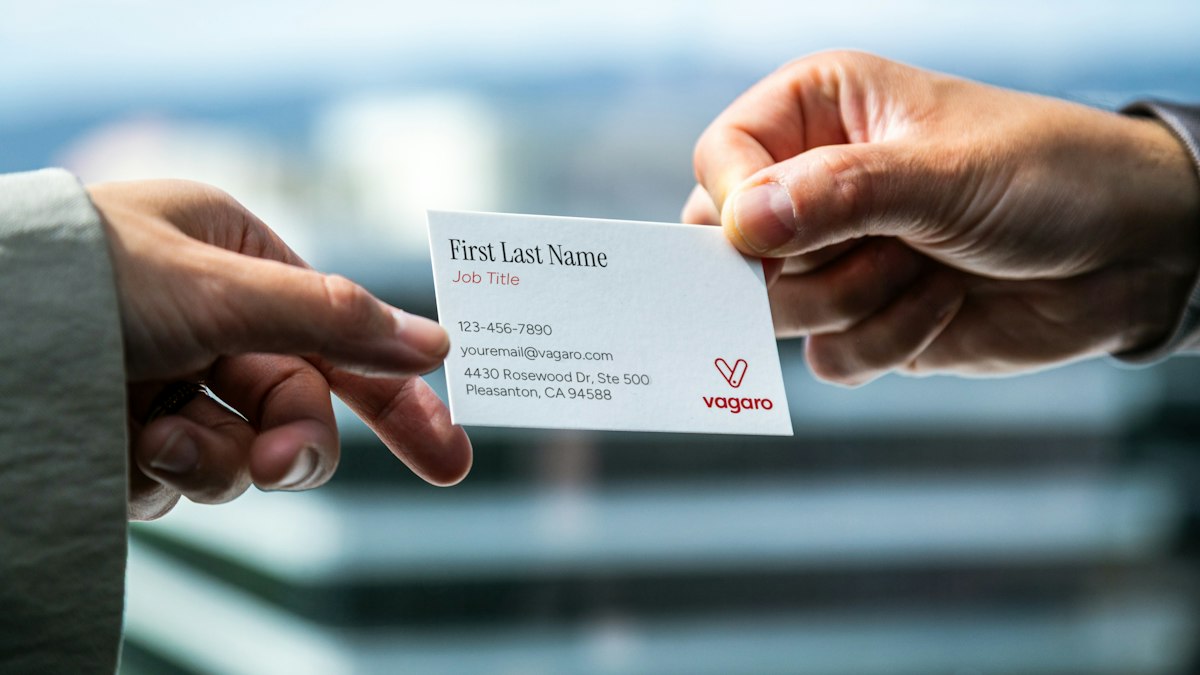
- Front: name, role, business name, phone, email, website.
- Back: a short line about what you do, a QR code to your website or booking page, or a short offer.
- Make it easy to write on if you hand them out with appointment times or quotes.
- Digital cards (a contact link or QR code on your phone) are a good addition, but many people still like something to keep.
Order a modest quantity. Details change, and boxes of out-of-date cards are a common waste.
Flyers and letterbox drops
The workhorse of local marketing.
Make it work:
- Pick a specific area where your best customers live, or where you’re already working (“We’re renovating a house in your street”).
- Lead with a seasonal or local hook: gutter cleaning before storm season, tutoring before exams.
- Include a reason to act now, and a deadline.
- Use a unique code or web address so you can count responses.
Distribution:
- Do it yourself, use a letterbox distributor, or add flyers to local deliveries.
- Respect “No junk mail” and “No advertising material” signs. Ignoring them annoys exactly the people you want as customers.
- Bill posting (sticking posters on poles and walls) and handing out brochures in public places are often restricted or need a permit. business.gov.au lists both under advertising rules; check with your local council first.
Expect a low response rate from any single drop. Repeat drops to the same area, a few weeks apart, usually work better than one big one.
Brochures and price lists
Best for considered purchases where people compare options: renovations, health and wellness services, event venues, professional services.
- Answer the questions people ask before they buy: what’s included, how it works, how long it takes, what it costs (or what affects the cost), why you.
- Include proof: photos of real work, short genuine testimonials (with permission), qualifications and memberships.
- Leave one behind after every quote or consultation.
- Date your price lists, and reprint when prices change. Old prices in circulation can cause disputes.
Other print that earns its keep
- Signage and vehicle signage: works 24 hours a day. Check council rules for signs outside your premises or home.
- Thank-you cards and inserts in orders, with a referral or review request.
- Posters in community spaces (with permission) such as cafés, libraries and noticeboards.
- Fridge magnets and calendars for services people need occasionally, such as plumbers, electricians and pest control.
For branded merchandise, see Promotional products and corporate gifts.
Printing without waste
- Get two or three quotes with the same specifications: size, paper weight, finish, quantity and delivery.
- Ask for a printed proof for large or expensive jobs. Colours on screen and on paper can differ.
- Start small. Print a short run, test it, then reprint the version that works. The price per piece drops with quantity, but not if half the box ends up in the bin.
- Choose recycled or certified paper if it matters to your customers, and say so only if it’s true.
- Keep your print files in an editable format so changes are quick and cheap.
Measuring what works
Print is easy to measure if you plan for it:
- Use a unique web address or QR code for each campaign (for example yoursite.com.au/spring).
- Use an offer code customers mention or enter.
- Ask every new customer how they heard about you, and record it.
- Work out the cost per enquiry and per customer, and compare it with your other marketing.
See Measuring marketing.