Events marketing: trade shows, seminars and webinars
Events put you face to face with people who are interested enough to turn up. Whether you take a stand at a trade show, run a free workshop or host a webinar, the results come from three things - choosing the right event, being memorable on the day, and following up fast. Here's how.
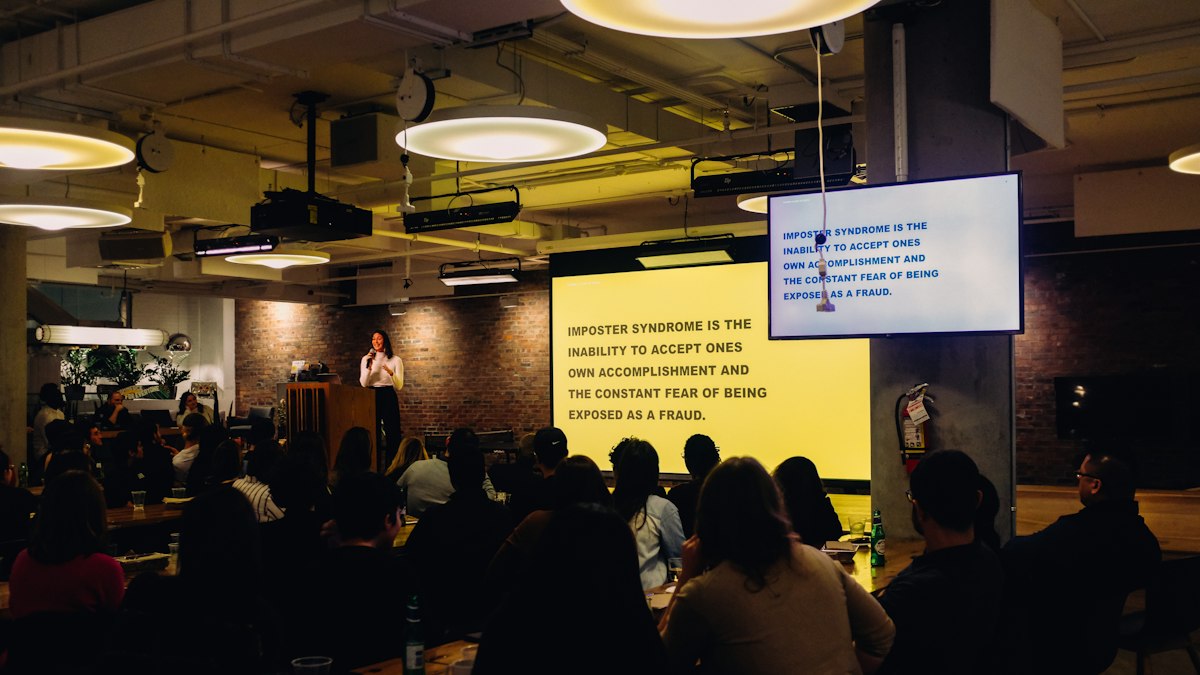
In short
- Pick events where your customers actually go, and set a clear goal - leads, sales, partners or profile.
- A simple stand with one clear message, good signage and something to show or try beats an expensive display.
- Seminars, workshops and webinars work best when they teach something genuinely useful, not when they're a sales pitch.
- Collect contact details with consent, and follow up within a few days.
- Competitions and prize draws may need a state or territory permit, and marketing follow-ups must follow the spam rules.
Types of events compared
| Event | What it is | Good for | Cost and effort |
|---|---|---|---|
| Trade shows and expos | A stand at an industry or consumer show | Meeting many prospects, launching products, B2B leads | Stand fees, display, staff time, travel |
| Local markets and community events | A stall or stand at a market, fair or festival | Local consumer businesses, testing products | Low to medium |
| Seminars and workshops | You teach a topic in person to a small group | Professional services, trades, health and wellness | Venue, catering, preparation |
| Webinars and online workshops | A live online session | Reaching people anywhere; recording reuse | Low cost, high preparation |
| Open days and launches | Inviting people to your premises | Showrooms, studios, new premises | Low to medium |
| Sponsorships and speaking | Sponsoring or presenting at someone else’s event | Profile and credibility | Varies |
Step 1: Set a goal and choose the right event
Decide what success looks like: 50 qualified leads, 10 bookings, 3 new stockists, or meeting particular partners. Then choose events that fit:
- Who attends? Ask organisers for past attendance figures and who visitors are (trade buyers, homeowners, industry professionals).
- Where’s your stand? Position near entrances, food and main walkways usually gets more traffic.
- What’s included? Walls, furniture, power, lighting, Wi-Fi, listings in the show guide.
- What else will it cost? Travel, accommodation, freight, staff, giveaways, printing.
- Talk to past exhibitors about what results they got.
Start with smaller local or industry events before committing to a big expo.
Step 2: Plan your stand
Keep the message simple. Visitors walk past in seconds. Your signage should say who you are, what you do and who it’s for, readable from a few metres away.
- Large, clear signage at eye level and above, not just on the table.
- Something to see, touch or try: a product demo, before-and-after photos, a short video loop, samples (food samples may need council approval).
- An open layout that invites people in. Avoid a table across the front that acts as a barrier.
- Comfortable staff who stand, smile and ask an opening question: “What brings you to the show?”
- A way to capture leads: a tablet form, a business card bowl, or a QR code to a booking or sign-up page.
- Printed material people can take: a brochure or price list with a reason to contact you. See Business cards, flyers and brochures that work.
Promote it beforehand: tell your email list, post on social media, and use the organiser’s promotion tools (“Visit us at stand 42”).
Competitions and prize draws are popular at stands. business.gov.au notes that state and territory governments regulate trade promotions and, depending on the prize value, you may need a permit. Check ABLIS for the rules in each state where entrants live, and publish clear terms and conditions.
Step 3: Run a seminar or workshop
A free or low-cost session where you teach something useful shows your expertise and builds trust.
- Choose a specific, practical topic your customers want to know about: “How to prepare your home for sale”, “Keeping your small business safe from scams”.
- Pick a venue that suits the size: your premises, a library, community centre, café function room or coworking space. Check accessibility.
- Promote it 3–4 weeks ahead through your email list, social media, local groups and partners.
- Take bookings so you know numbers, and send reminders.
- Teach first, sell last. Spend most of the time on genuinely useful content. A short, clear offer at the end is fine.
- Give people something to take away: a checklist or summary, with your contact details.
Step 4: Run a webinar
Webinars work the same way online, with a few extras:
- Choose a reliable platform with registration, reminders and recording. Test it beforehand.
- Keep it to 30–45 minutes, including questions.
- Use a good microphone and camera, light from the front, and a quiet room. See Video calls and remote meetings.
- Have a co-host to watch questions and handle technical problems.
- Be interactive: polls, questions and short breaks keep people engaged.
- Record it and send the recording to everyone who registered. Many people watch later.
- Reuse it as short videos, a blog post and an FAQ. See Video marketing on a small budget.
Step 5: Follow up fast
Most event leads go cold because nobody follows up.
- Sort leads the same day: hot (wants a quote or meeting), warm (interested), cold (just browsing).
- Contact hot leads within two working days, by phone or a personal email.
- Send warm leads something useful, such as the checklist, recording or offer you promised.
- Only add people to your marketing list if they agreed. Under the Spam Act you need consent before sending marketing emails or texts, and every message must identify you and include an unsubscribe. A business card dropped in a bowl for a prize draw isn’t clear consent to marketing unless you said so. See Email marketing that people read.
Step 6: Measure the results
After each event, record:
- total cost (fees, travel, materials, staff time)
- leads collected, and how many became customers
- revenue from those customers over the following months
- cost per lead and per customer.
Use a unique code, web address or phone number for each event so you can tell where business came from. See Measuring marketing.
Signage beyond events
Permanent signs on your premises, vehicles and A-frame boards also promote your business every day. Councils have rules on signs, and on bill posting and handing out brochures in public places. Check with your council before installing signs or footpath boards.