Retail security and loss prevention
Every retailer loses some stock to theft, mistakes and damage. Small, consistent habits - a good layout, attentive staff, tidy stock control and sensible use of cameras - reduce losses far more than expensive gadgets. This guide covers practical loss prevention, the privacy rules for CCTV, and keeping staff safe.
In short
- Loss comes from shoplifting, staff theft, admin errors, supplier mistakes and damage - measure it before you spend on fixes.
- Good layout, clear sightlines and staff who greet every customer are the cheapest deterrents.
- CCTV must follow privacy and state surveillance laws - tell people they may be recorded and keep footage secure.
- Never put staff at risk to stop a theft. Train them to observe, record and report, and call police if needed.
- Aggression from customers is a work health and safety hazard you must manage.
Where losses come from
“Shrinkage” is the difference between the stock you should have and what you actually have. It usually comes from a mix of:
- Shoplifting by customers
- Staff theft of stock or cash
- Admin errors: wrong prices, receiving mistakes, unrecorded write-offs
- Supplier errors: short deliveries or wrong items
- Damage and waste: breakages, expired stock.
Measure it first. Regular stocktakes, at least of high-value lines, show how much you’re losing and where. Without numbers, you can’t tell whether a fix is working.
Layout and displays
- Clear sightlines from the counter across the shop. Avoid tall displays that create blind spots.
- High-value and easy-to-pocket items near the counter, in locked cabinets, or with display dummies.
- The counter near the exit, so everyone passes staff on the way out.
- Good lighting throughout, including corners.
- Tidy shelves: gaps and disorder hide theft. Regular facing-up also helps sales.
- Fitting room controls: count items in and out, and keep rooms tidy.
Staff practices
Attentive staff are the best deterrent.
- Greet every customer and make eye contact. People who plan to steal avoid being noticed.
- Keep the floor staffed at busy times, and never leave the counter unattended with the till open.
- Train staff on common tactics: distraction, groups, large bags, swapping price tags.
- Receive deliveries properly: count and check items against the invoice before signing.
- Control keys, codes and access, and change codes when staff leave.
Cash, refunds and fraud
- Limit cash in the till, and move cash to a safe regularly.
- Reconcile tills at each shift change, with two people where possible.
- Require receipts or proof of purchase for refunds and exchanges, record every refund, and review refund reports for patterns. Remember customers’ consumer guarantee rights still apply to faulty goods.
- Watch for card and payment fraud: unusual large purchases, multiple declined cards, or pressure to process quickly. See Getting paid.
- Use point-of-sale reports to spot unusual voids, discounts and no-sales.
CCTV and privacy
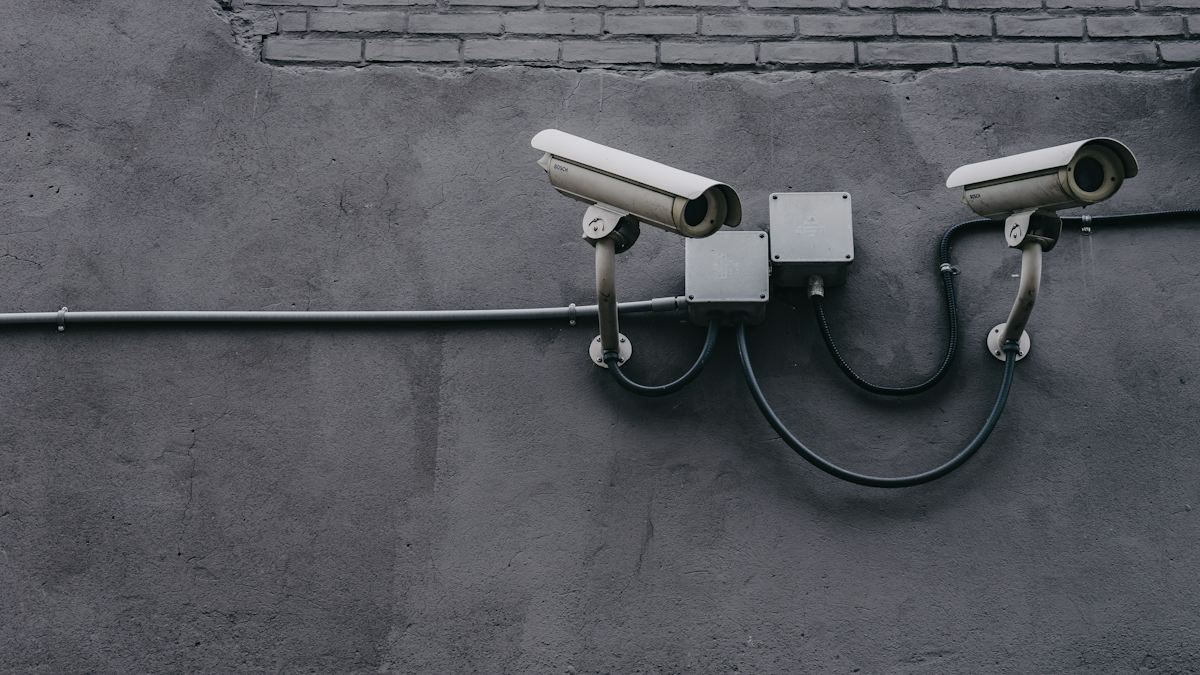
Cameras deter and help investigate, but they come with rules.
- Privacy Act: the OAIC says organisations covered by the Privacy Act must tell people their image may be captured before they’re recorded, and keep recorded personal information secure and destroy or de-identify it when it’s no longer needed. Most small businesses with turnover of $3 million or less aren’t covered, but some are, so check the OAIC’s guidance.
- State and territory laws also cover surveillance devices and, in some states, workplace surveillance of staff. Check the rules where you operate.
- Put up clear signs that CCTV is in use.
- Never record in private areas such as toilets and change rooms.
- Be careful with audio recording, which is more tightly restricted than video in many places.
- Facial recognition carries much higher privacy risks; the OAIC has found against large retailers using it. Get advice before considering it.
- Secure the footage: limit who can view it, protect the system with strong passwords, and keep footage only as long as needed. See Cyber security and backups.
If you see a theft
Staff safety comes first. Never put anyone at risk for stock.
- Observe and record: description, time, items and direction of travel.
- Don’t chase, block or physically restrain anyone.
- Preserve footage and receipts.
- Report to police, and keep the report number.
- Support the staff member involved; incidents can be upsetting.
Aggression and staff safety
Aggression from customers is a psychosocial hazard, and Safe Work Australia lists violence and aggression among the hazards businesses must manage.
- Plan staffing for busy and late periods; avoid working alone where possible.
- Train staff in de-escalation: stay calm, don’t argue, give space.
- Have a clear policy that aggression isn’t tolerated, and a way to call for help, such as a duress alarm.
- Keep minimal cash on site and display signs saying so.
- Debrief and support staff after incidents, and review what could be done differently.
See Workplace health and safety.
Common questions
What's the cheapest way to reduce shoplifting?
Greet every customer, keep clear sightlines across the store, place high-value items near the counter or in locked displays, keep the shop tidy so gaps are noticed, and make sure staff are attentive. Visible attention is a strong deterrent.
Can I put CCTV cameras in my shop?
Yes, but follow the law. The OAIC says businesses covered by the Privacy Act must tell people their image may be captured and keep footage secure, and state and territory surveillance laws also apply. Use clear signs and never film private areas such as toilets.
Should staff try to stop a shoplifter?
No one should be put at risk to protect stock. Train staff to observe, note descriptions and times, preserve any footage, and report to police. Don’t chase, block or physically restrain anyone.
How can I protect staff from aggressive customers?
Treat customer aggression as a work health and safety hazard: plan staffing for busy and late periods, train staff in de-escalation, have a clear policy and a way to call for help, and support staff after incidents.