Getting paid: invoicing, payment terms and payment options
Late payment is one of the biggest cash flow problems for small businesses. Most of it can be prevented with clear terms agreed up front, accurate invoices sent promptly, easy ways to pay and a consistent follow-up routine. This guide explains how.
In short
- Agree payment terms before you start work, and put them in writing on quotes and invoices.
- Send accurate invoices promptly - ideally the day the work is done - with everything needed to pay.
- Make paying easy, and understand the fees each payment option costs you.
- Follow up late payments early and consistently, then escalate step by step.
- Free help is available from the Australian Small Business and Family Enterprise Ombudsman if a customer won't pay.
Set terms before you start
The best time to sort out payment is before any work is done.
- Agree payment terms in writing on your quote or agreement: when payment is due, how to pay and what happens if it’s late.
- Take deposits for larger jobs or custom work, especially where you buy materials.
- Use progress payments for longer jobs, tied to milestones.
- Check new business customers: who will pay, their accounts contact and their payment process (some need purchase order numbers).
- Know the big customers’ terms. Under the Payment Times Reporting Scheme, large businesses report every six months on their payment terms and times to small businesses, and the reports are published on a free public register.
See Contracts and legal basics.
Invoices that get paid
Send the invoice the day the work is done or the goods are delivered. Include:
- your business name and ABN, and your contact details
- the customer’s name and any reference or purchase order number
- the invoice date and number
- a clear description of what you supplied
- the amount, and GST if you’re registered
- the due date (a date, not just “14 days”) and how to pay, with bank details or a payment link.
The ATO says that if you’re registered for GST, your invoices should be called “tax invoice”, and if you’re not, they shouldn’t use those words. Check the ATO’s tax invoice requirements for what applies to you, and ask your accountant or BAS agent if you’re unsure.
Use your accounting software to create invoices, so they’re accurate, numbered and tracked. See Bookkeeping basics.
E-invoicing
The ATO describes e-invoicing as the automated digital exchange of invoice information directly between a supplier’s and buyer’s software, using the Peppol network. Many accounting products are e-invoicing ready, and the ATO’s guide for small business explains how to start, including web portals for businesses that send few invoices. Some large customers and government agencies prefer to receive e-invoices.
Payment options
Make paying easy, and understand what each option costs you.
| Option | Good for | Things to know |
|---|---|---|
| Bank transfer | Business customers, larger amounts | Low cost; watch for payment redirection scams |
| Payment links on invoices | Fast payment by card from an emailed invoice | Processing fees per transaction |
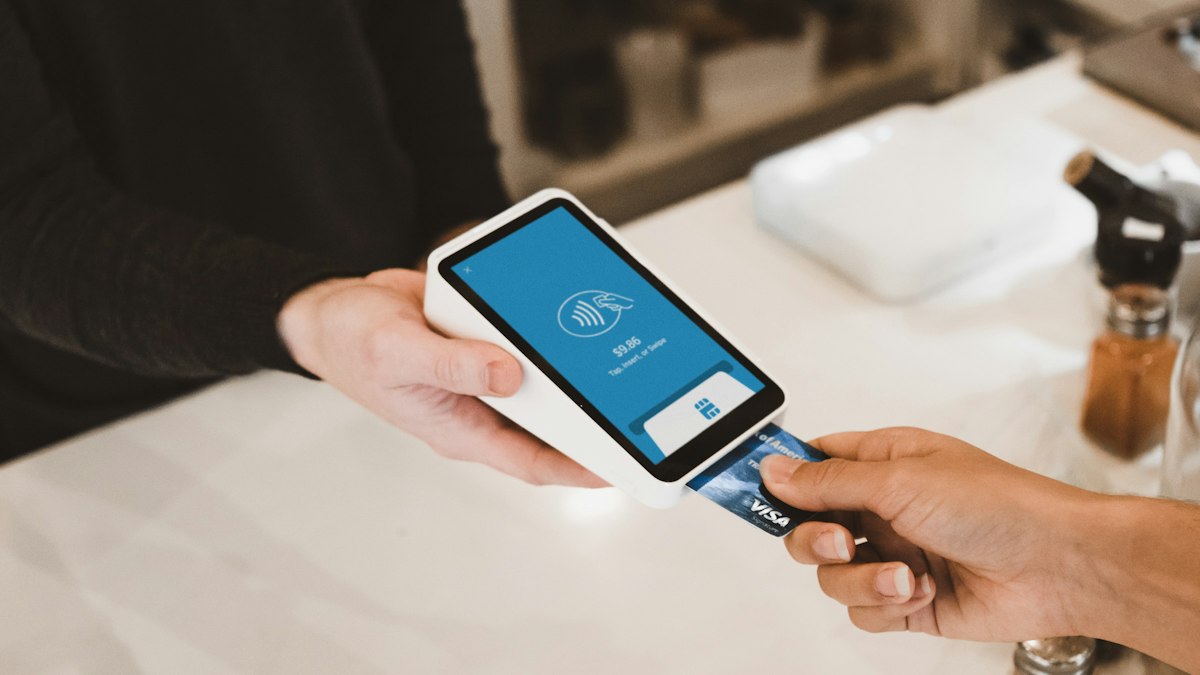
| Card terminal (EFTPOS) | Shops, trades on site, services in person | Hardware or rental and per-transaction fees |
| Direct debit | Regular or subscription payments | Needs written authority; set-up and per-payment fees |
| Buy now pay later | Some consumer purchases | Merchant fees can be high; check terms |
| Cash | In-person sales | Security and banking time |
The ACCC says businesses should be clear and upfront about the payment types they accept and the total minimum price. Surcharging on eftpos, Mastercard and Visa ended on 1 October 2026 under the Reserve Bank’s reforms; see Selling online.
This guide doesn’t compare or recommend specific payment providers. Compare total costs for your volume of sales.
Protect against scams: criminals send fake emails asking customers to pay into a “new” account. Tell customers your bank details won’t change by email, and call to confirm before changing a supplier’s details yourself. See Cyber security and backups.
Following up late payments
A consistent routine works better than waiting and hoping:
- Before it’s due: for larger invoices, check a few days ahead that it’s been received and approved.
- Day after it’s due: a friendly reminder email with the invoice attached.
- A week overdue: a phone call. Ask when it will be paid, and confirm in writing.
- Two weeks overdue: a firmer written reminder. Consider pausing further work.
- Still unpaid: a formal letter of demand setting a final date before you take further steps.
Keep records of every reminder and conversation. Most accounting software can send automatic reminders.
When a customer won’t pay
- Talk first. The Australian Small Business and Family Enterprise Ombudsman suggests negotiating, such as offering a payment plan, before using debt collection services or legal action, which can be costly for everyone.
- Get help. ASBFEO can help you understand your options in disputes with other businesses, and many states have a small business commissioner.
- Formal options include debt collection agencies and small claims processes in your state’s courts or tribunals. Weigh the cost and time against the amount owed, and get advice for larger debts.
If late payments are causing you cash flow problems, see Financial planning and cash flow and Business credit cards, credit scores and managing debt.
Common questions
What should a small business invoice include?
Your business name and ABN, the date, a clear description of what you supplied, the amount, payment terms and due date, and how to pay. The ATO says invoices should be called ‘tax invoice’ only if you’re registered for GST. Check the ATO’s tax invoice requirements for your situation.
What payment terms should a small business use?
Choose terms that suit your cash flow and industry, such as payment on completion, 7 days or 14 days, and agree them before you start work. Put them on quotes and invoices, and consider deposits or progress payments for larger jobs.
How do I follow up an unpaid invoice?
Send a friendly reminder as soon as it’s overdue, then call. If it’s still unpaid, send a firmer written reminder and a letter of demand. The Australian Small Business and Family Enterprise Ombudsman suggests trying to negotiate, such as a payment plan, before costly debt collection or legal action.
What is e-invoicing?
The ATO describes e-invoicing as the automated digital exchange of invoice information directly between a supplier’s and buyer’s software, using the Peppol network. Small businesses can connect through an e-invoicing-ready accounting product or a web portal.