Marketing for real estate agents
In real estate, your next listing usually comes from someone who already knows your name. This guide covers how to build a local profile, win appraisals, market each property well, and keep your advertising within the price-quoting and consumer law rules that apply to agents.
In short
- Your personal profile in a small patch of suburbs wins more listings than broad brand advertising.
- Every listing is also marketing for you - great photos, honest copy and fast follow-up bring the next vendor.
- Keep in regular, useful contact with past clients and appraisal leads; most listings come from people you already know.
- Price-quoting laws are strict and differ by state. In NSW and Victoria, advertising below your estimated selling price, or using "offers over" or "+" in NSW, is underquoting.
- Reviews, testimonials and "sold" claims must be genuine and accurate under the Australian Consumer Law.
Start with a patch, not a brand
Vendors choose an agent they trust to know their street. Before spending on advertising, decide:
- Your patch: a handful of suburbs, or even a few thousand homes, where you want to be the name people think of.
- Your specialty: first-home buyers, downsizers, prestige, apartments, acreage, investors’ rentals. A clear specialty makes your marketing easier to write and easier to remember.
- Your proof: recent sales, days on market, results against appraisal, and genuine reviews in that patch.
Write this down as a one-page plan with a budget and a monthly routine. See Writing a marketing plan.
Building your local profile
Aim to be visible and useful in your patch every week, not just when you have a listing.
- Your online profiles. Keep your agent profile on the property portals, your agency website page and your business listing on map services complete and current, with a professional photo, your sales and reviews.
- Local market updates. A short monthly email, letterbox flyer or social post with recent sales, rental trends and what’s happening locally. Facts only, never forecasts dressed up as certainty.
- Community presence. Sponsoring a junior sports team, supporting a school fete or a local charity event builds familiarity, as long as you actually turn up.
- Useful content. Answer the questions owners ask you: “What should I fix before selling?”, “Auction or private sale?”, “How do I choose an agent?”. Short articles and videos keep working for months. See SEO and GEO.
Prospecting for listings
Most listings come from people who already know you. Build a system rather than relying on cold calls.
- Past clients. Stay in touch with every buyer and seller: a call on the anniversary of their purchase, an annual market update on their home, help with tradespeople. They’re your best source of referrals and future listings.
- Appraisal leads. Many owners who ask for an appraisal aren’t ready to sell yet. Record each one in your CRM with a follow-up date, and send something useful at agreed intervals. See Choosing a CRM system.
- Open-home buyers. Many buyers also have a property to sell. Ask, record it and follow up.
- Just listed and just sold. Letterbox drops and posts around each new listing and sale show neighbours you’re active in their street. Keep claims accurate.
- Referral partners. Mortgage brokers, conveyancers, property managers, builders and local tradespeople. Refer good work both ways.
Phone and email rules. Before cold calling, check the Do Not Call Register rules that apply to you. For marketing emails and texts, you need consent, must identify yourself and must include a working unsubscribe. Buying a database doesn’t give you consent. See ACMA’s guidance, and Telesales, cold calling and call centres.
Marketing each listing well
Every listing is a showcase for your next vendor.
- Professional photos taken in good light, with the home prepared. Floor plans are expected by most buyers.
- Honest, specific copy. Lead with what makes the property right for its likely buyer. Avoid clichés (“rare opportunity”, “won’t last”) and anything that could mislead: room sizes, views, zoning, school catchments and features must be accurate.
- Video and virtual tours help buyers shortlist, especially interstate buyers. See Video marketing on a small budget.
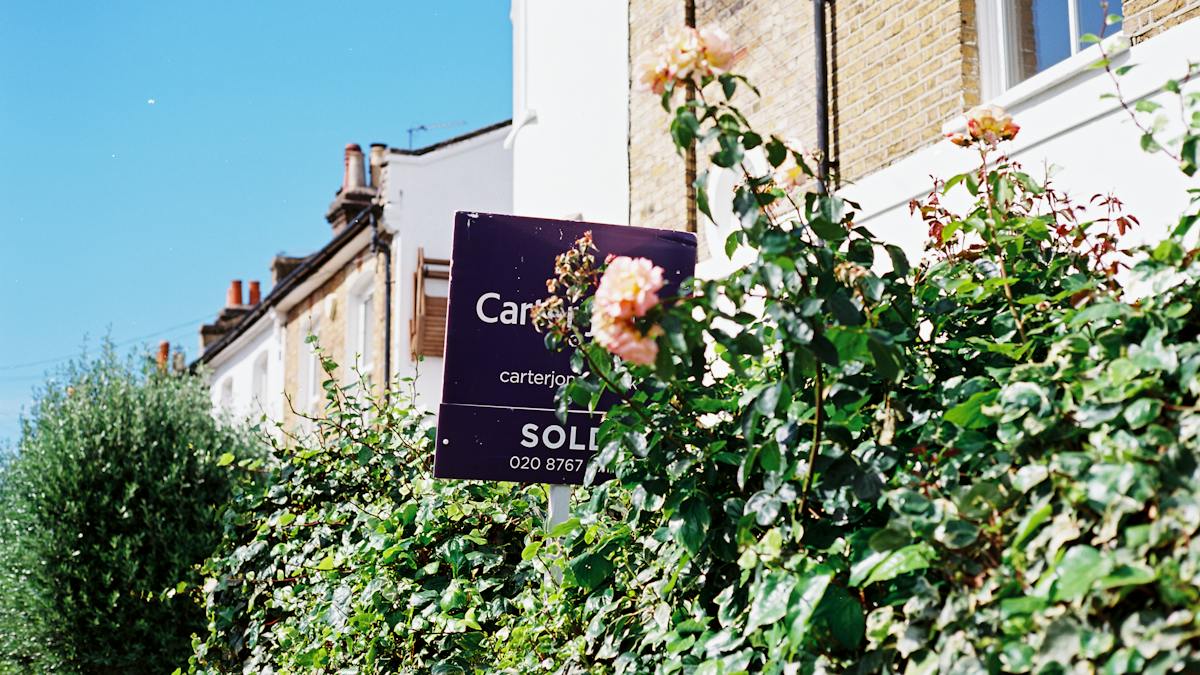
- Signboards and window cards with your photo and contact details.
- Digital campaigns targeted to likely buyers in nearby suburbs.
- Fast follow-up. Reply to every enquiry the same day, and send every open-home visitor a thank you with any documents they asked for.
Report to your vendor weekly: enquiries, inspections, feedback and what you’ll change. Clear reporting is one of the main things vendors mention in reviews.
Price quoting: know your state’s rules
Underquoting rules are some of the strictest advertising rules any Australian business faces, and they differ by state and territory. Always check the current rules with your state’s fair trading or consumer affairs agency and your licensing body. Two examples:
New South Wales (NSW Fair Trading guidance, updated July 2026):
- Your reasonable estimate of the selling price must be in the agency agreement. If it’s a range, the top can’t be more than 10% above the bottom.
- You can’t quote or advertise a price below that estimate.
- You can’t use “offers over”, “offers above” or a “+” after a price, or any words or symbols that could underquote.
- Update your estimate, tell the seller and fix your ads if evidence shows the estimate is no longer reasonable.
- NSW has passed tougher underquoting laws, expected to start towards the end of 2026. Check NSW Fair Trading for the start date and the new requirements.
Victoria (Consumer Affairs Victoria):
- New price transparency rules started on 1 October 2026. The Statement of Information has been replaced by the Property Price Statement, which must sit next to the price in your main online ad (or be linked from there), be at open homes, and be on printed ads via a QR code or link.
- The advertised price can’t be lower than your estimated selling price, the seller’s asking price or a written offer the seller has rejected.
- For auctions and fixed-date sales from 16 October 2026, the seller’s reserve price must be disclosed 7 days before the sale, and the final sale price must be published once the sale is unconditional.
Underquoting can also breach the Australian Consumer Law’s rules against false or misleading claims, which apply in every state.
Reviews, testimonials and results
- Ask every client for a review soon after settlement, and make it easy with a direct link.
- Never write, buy or arrange fake reviews, or have friends and family review you without saying so. The ACCC says reviews must reflect the genuine opinion of someone who used the service.
- Don’t hide or edit negative reviews. Reply calmly and professionally instead.
- Keep result claims accurate. “Sold above reserve”, “record price for the street” and “top agent” claims must be true and able to be backed up.
Social media that works for agents
- Show the local area, not just listings: new cafés, parks, school events and market updates.
- Show yourself at work: auctions, appraisals, behind the scenes at a photo shoot (with the owner’s permission).
- Short video walk-throughs of new listings.
- Be consistent rather than constant: a few useful posts a week beats daily posts that are only listings.
See Social media marketing for small business.
Measure what brings in listings
Ask every new vendor how they found you, and record it. Each quarter, count which sources led to appraisals and which led to signed listings: past clients, referrals, letterbox drops, portals, social media or your website. Spend more on what works. See Measuring marketing.