Starting a cleaning business
A cleaning business is one of the most affordable businesses to start, and steady demand means good operators can grow quickly. Success comes from reliability, clear pricing, trust and safe work practices. Here's how to set one up properly.
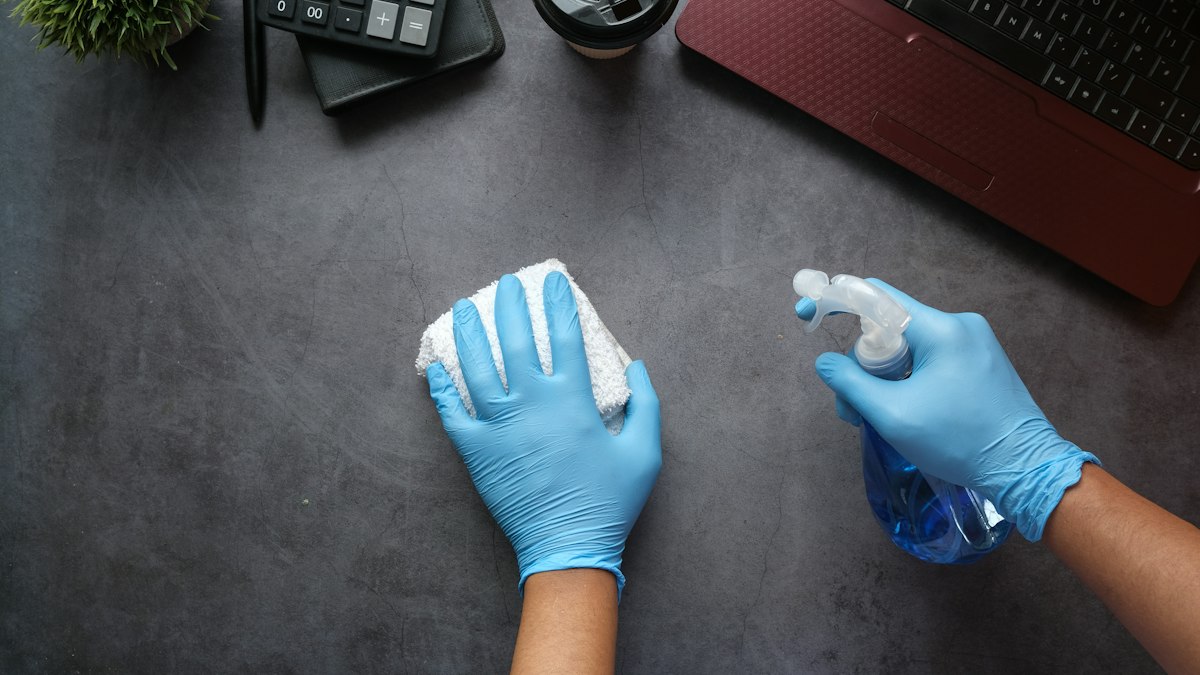
In short
- Choose your market first - domestic, commercial, or a specialty such as end-of-lease, carpets or windows.
- Price by the job or area for most work, based on realistic times, and include travel, products and admin.
- Trust is everything - consider police checks, clear policies on keys and access, and insurance.
- Chemicals are a real hazard. Use safety data sheets, the right protective equipment, and never mix products.
- Reliability wins repeat clients and referrals. Turn up on time, every time, and communicate.
Choose your market
| Market | What it involves | Good to know |
|---|---|---|
| Domestic (homes) | Regular weekly or fortnightly cleans, one-off cleans | Steady repeat work; trust and reliability matter most |
| End-of-lease and move-out | Detailed cleans to real estate standards | Higher prices, deadlines, sometimes re-clean guarantees |
| Commercial (offices, shops, medical, schools) | Scheduled cleans, often after hours, under contract | Larger contracts; may require specific procedures, insurance and checks |
| Specialty | Carpets, upholstery, windows, pressure washing, post-construction | Higher rates; needs equipment and skills |
Many businesses start in one area and expand. Being known for something specific, such as reliable end-of-lease cleans in your suburbs, helps you stand out.
Set up the business
- Register: ABN, business name, and GST once required. See Registering a business.
- Insurance: talk to an insurance broker about public liability (often required by commercial clients and real estate agents), equipment cover and, if you employ people, workers compensation.
- Checks: many clients, particularly in homes, aged care, schools and offices, expect police checks for anyone entering their premises, and working-with-children checks where relevant.
- Transport: a reliable vehicle with room for equipment.
Pricing
Most cleaners price in one of three ways:
- By the hour: simple, but customers can’t predict the total.
- By the job: a fixed price per clean based on size, condition and tasks. Most customers prefer it.
- By area or contract: per square metre or a monthly fee for commercial work.
To price well:
- Time your cleans for typical homes or spaces, and keep records.
- Work out your real hourly cost: wages (including yours), super, insurance, products, equipment, vehicle and travel, phone, software and admin time.
- Add a margin for profit.
- Do a walk-through or ask for photos before quoting larger or one-off jobs, and list exactly what’s included.
Charge separately for extras such as ovens, windows, walls and carpets. Review your prices at least once a year.
Equipment and products
- Start lean: quality vacuum, microfibre cloths, mops, buckets, scrubbing tools, and professional-grade products.
- Colour-code cloths for bathrooms, kitchens and general surfaces to avoid cross-contamination.
- Choose products deliberately: effective, safe for surfaces, and environmentally responsible where possible. Many clients ask about this.
- Maintain equipment and keep spares for the items you rely on.
Chemical safety and other hazards
Cleaning work carries real risks, for you and any staff:
- Chemicals: keep the safety data sheet (SDS) for every product, follow the label, use the right gloves, eye protection and ventilation, store products in labelled original containers, and never mix chemicals. Bleach and ammonia, for example, release toxic gas.
- Manual handling: lifting, vacuuming, repetitive movements. Use lightweight equipment and vary tasks.
- Slips and falls: wet floors and ladders.
- Working alone and after hours: have check-in procedures and a way to call for help.
- Psychosocial risks: difficult clients, isolation and time pressure.
See Workplace health and safety.
Trust, keys and policies
Customers are letting you into their homes and workplaces. Earn their trust with clear policies:
- Key and alarm-code handling: how you store, label (without addresses) and return keys.
- Breakages: what happens if something is damaged, and how you report it.
- Cancellations and access: notice periods and what happens if you can’t get in.
- Satisfaction guarantee: for example, a free re-clean of any missed area reported within 24 hours.
- Privacy: staff don’t share anything they see in clients’ homes or offices.
Put these in your written terms. See Contracts and legal basics.
Finding clients
- Google Business Profile with your service area, prices or price ranges, photos and reviews.
- Real estate agents and property managers for end-of-lease and rental property work.
- Local community groups and neighbourhood recommendations.
- Referral rewards for clients who recommend you.
- Commercial work: approach local offices, medical practices and shops with a short, professional proposal.
- Online booking: makes it easy for customers to book and pay.
Reliability is your best marketing: turn up on time, do what you promised, and communicate if anything changes.
Growing a team
When you have more work than you can do:
- Hire for reliability and attitude; you can teach cleaning.
- Train to a checklist so every clean meets the same standard.
- Check quality: regular inspections, client feedback and photos of completed work.
- Pay correctly: cleaning has specific award conditions; use the Fair Work Ombudsman’s tools or get advice. Make sure anyone you treat as a contractor genuinely runs their own business.
See Hiring your first employee and Recruitment.